
Therapy for Generational Trauma: Break Cycles and Heal Emotionally
Generational trauma—also known as intergenerational or transgenerational trauma—can shape how a person thinks, feels, and responds to the world, often without clear awareness of its origins. Emotional patterns, beliefs, and stress responses may be influenced by experiences from previous generations, even when the original events were never directly discussed.
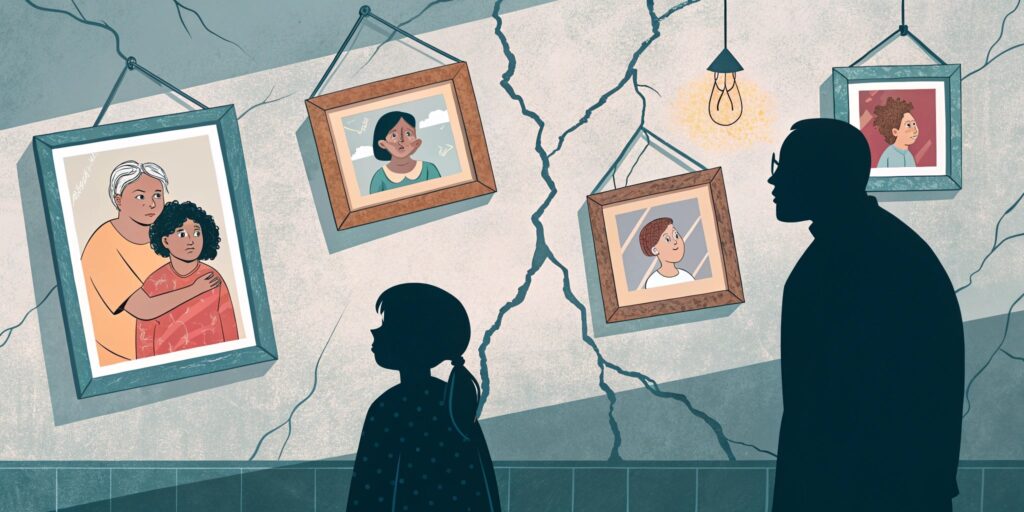
What is Generational Trauma?
Generational trauma refers to emotional and psychological patterns that are passed down across generations. These patterns often originate from unresolved traumatic experiences such as:
Childhood neglect or emotional deprivation
Domestic abuse or chronic instability
Addiction within the household
War, displacement, migration, or systemic oppression
Cultural or racial trauma
Long-term financial insecurity
Unresolved grief or secrecy surrounding traumatic events
Even when the original trauma was not personally experienced, its emotional impact can influence stress responses, coping mechanisms, beliefs, and relationships later in life.
How Generational Trauma Affects Individuals
When generational trauma is left unaddressed, individuals may experience ongoing emotional and behavioral challenges, including:
Anxiety or depression without a clear cause
Chronic stress or emotional overwhelm
Difficulty feeling safe or regulated
Relationship struggles or fear of closeness
Persistent guilt, shame, or self-doubt
Patterns of self-sabotage or emotional avoidance
These experiences are often deeply ingrained and may feel confusing or disconnected from present-day circumstances.
When to Seek Therapy for Generational Trauma
Individual therapy may be helpful if you:
Notice repeated emotional or behavioral patterns that feel difficult to change
Feel emotionally reactive without understanding why
Carry a sense of guilt, fear, or responsibility that feels inherited
Struggle with emotional regulation or trust
Feel stuck despite efforts to move forward
Want to understand how past influences shape your present experience
Therapy provides a structured space to explore these patterns and begin meaningful emotional healing.
Signs You May Be Experiencing Generational Trauma
Common indicators of generational trauma may include:
Ongoing anxiety or feeling “on edge”
Difficulty forming secure emotional connections
Perfectionism, people-pleasing, or emotional over-independence
Repeating unhealthy relationship patterns
Suppressed anger, sadness, or fear
Decision-making driven by fear rather than clarity
A strong need to appear “strong” or unaffected
Recognizing these patterns is often the first step toward healing.

The Benefits of Therapy for Generational Trauma
Therapy for generational trauma focuses on the individual experience, helping clients gain insight, emotional regulation, and resilience.
1. Identifying Inherited Patterns
Therapy helps individuals recognize how past experiences—both personal and generational—have shaped emotional responses and beliefs.
2. Processing Emotional Wounds
A trauma-informed therapeutic environment allows space to safely explore emotions such as grief, fear, anger, or shame without judgment.
3. Supporting Nervous System Regulation
Trauma often affects the nervous system. Individual therapy may include grounding techniques, emotional regulation skills, and increased body awareness to reduce chronic stress responses.
4. Improving Emotional Awareness and Boundaries
Through therapy, individuals can strengthen emotional insight, develop healthier boundaries, and respond more intentionally rather than reactively.
5. Reducing the Impact on Future Generations
By addressing generational trauma at an individual level, clients can reduce the likelihood of repeating emotional patterns in future relationships and parenting roles.
Therapeutic Approaches Used in Individual Treatment
Several evidence-based approaches may be used in individual therapy for generational trauma, including:
EMDR (Eye Movement Desensitization and Reprocessing): Helps reduce the emotional intensity of distressing memories
Somatic-informed therapy: Supports nervous system regulation and body awareness
Internal Family Systems (IFS): Explores internal emotional “parts” shaped by past experiences
Cognitive Behavioral Therapy (CBT): Helps identify and reframe inherited thought patterns and beliefs
All approaches are used within an individual therapy framework, tailored to each client’s needs.
Final Thoughts
Generational trauma may influence your identity, emotions, and relationships, but it doesn’t define your future. At MathenyTherapy, we are committed to helping you understand your past, heal your emotional wounds, and create a healthier life for yourself and future generations.
Take the first step today. Contact us to schedule a consultation and begin the healing journey.